

Last Updated: November 15, 2026
Quick Summary
Caregiving numbness is a common protective stress response, not a personal failing. When years of caregiving keep your nervous system on constant alert, it turns down feeling to conserve energy, leaving you flat, distant, or unable to cry. This shutdown usually eases gradually with rest, support, and gentle re-engagement.
- Family caregivers provided 49.5 billion hours of care in 2024, according to AARP’s report on family caregiving.
- Numbness after caregiving ends is common because the nervous system does not switch back on when tasks stop.
- In the first few weeks after caregiving, prioritize sleep, meals, and one small daily routine.
- Try a two-minute body check or grounding through the senses to gently reconnect with emotions.
- If numbness comes with thoughts of self-harm or suicide, call or text 988 right away.
Table of Contents
- What Emotional Numbness After Caregiving Feels Like
- Why Caregiving Numbness Happens: A Protective Response to Overwhelm
- Caregiver Burnout Signs and Compassion Fatigue
- Life After Caregiving: When the Role Ends and Numbness Remains
- Caregiver Grief After the Death of a Parent
- How Long Does Post Caregiver Syndrome Last?
- Small, Realistic Exercises to Reconnect With Emotions
- Finding Support for Caregiving Numbness in Missouri
- Frequently Asked Questions
AI-assisted article. Clinically reviewed by Yael DiPlacido, MSW, LCSW.
What Emotional Numbness After Caregiving Feels Like
If you are asking yourself why do I feel numb after years of caregiving, the short answer is that numbness is a common stress response, not a personal failing. Emotional numbness is a shutdown of feeling that happens when the nervous system has carried too much for too long.
It can look like feeling empty, unable to cry, or watching your life from a distance. You may still do every task. You just stop feeling much while you do them.
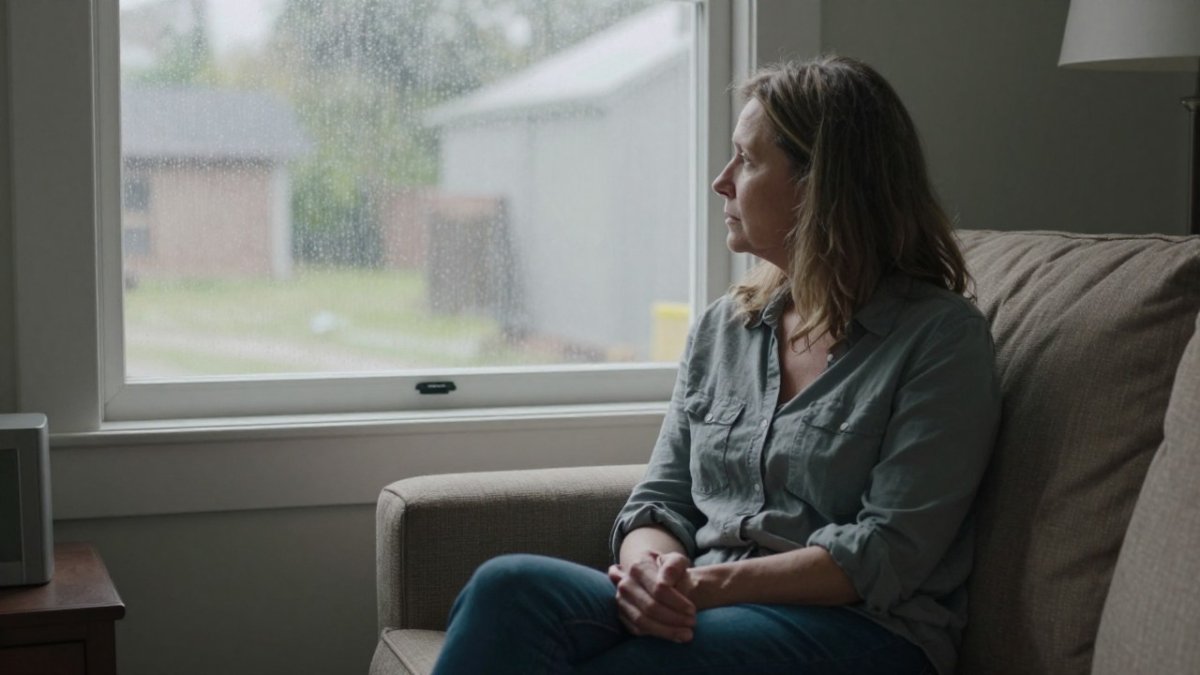
Common signs include:
- Feeling flat when good or bad things happen
- Losing interest in things you used to enjoy
- Going through the motions with your loved one
- Feeling distant from friends and family
- Wondering if something is wrong with you
Why Caregiving Numbness Happens: A Protective Response to Overwhelm
Caregiving numbness is the mind’s way of turning down the volume when stress never lets up. The nervous system protects you by limiting feeling when there is no room left to process it.
Long-term caregiving means years of alertness. You track medications, appointments, and moods. You absorb your loved one’s fear and pain. Over time, the body treats every day like an emergency.
Shutting down is a coping strategy, not a character flaw. For a deeper look at daily stress management, see Managing Chronic Stress as a Caregiver: A Practical Guide.
Caregiver Burnout Signs and Compassion Fatigue
Caregiver burnout signs often show up before numbness becomes obvious. Watch for emotional exhaustion, irritability, sleep changes, and a sense that you cannot take one more request.
Compassion fatigue is closely related. It is the weariness that comes from caring for others who are suffering (Understanding Caregiver Burnout and Compassion Fatigue). Helping professionals and family caregivers both experience it. For a closer look, read Compassion Fatigue in Healthcare Workers: How to Recognize and Recover.
| Sign | What It Can Look Like | What Helps |
|---|---|---|
| Emotional exhaustion | Feeling drained before the day starts | Scheduled rest and respite |
| Withdrawal | Avoiding calls and friends | Small, low-pressure contact |
| Irritability | Snapping over minor things | Naming limits out loud |
| Sleep changes | Waking at night, hard mornings | Consistent wind-down routine |
| Loss of interest | Hobbies feel pointless | One small, gentle restart |
The scale of caregiving is large. According to AARP’s report on family caregiving, family caregivers provided 49.5 billion hours of care in 2024. That is a lot of sustained strain.
Life After Caregiving: When the Role Ends and Numbness Remains
Life after caregiving can feel strangely blank. The role that organized every hour is gone, and the feelings you expected may not arrive on schedule.
This is one of the most misunderstood parts of the caregiving cycle. Some people feel relief and then guilt about the relief. Others feel nothing at all and worry that they have become cold.
Numbness after caregiving ends is common. The nervous system does not switch back on the moment the tasks stop. It needs time, safety, and support to thaw.
Caregiver Grief After the Death of a Parent
Caregiver grief after the death of a parent often arrives late and in pieces. Many people grieve the person, and also the years of caregiving that shaped their life.
Grief can show up as:
- Numbness that lifts slowly, then returns in waves
- Fatigue that sleep does not fix
- Guilt about time not spent or words not said
- Relief mixed with sorrow
There is no correct timeline. A review of caregiving research describes distress and depression linked to caregiving as factors that can affect physical health. Grief deserves the same care.
How Long Does Post Caregiver Syndrome Last?
There is no fixed timeline for how long post caregiver syndrome lasts. Recovery depends on how long the caregiving lasted, how intense it was, your own health, your support, and whether you have space to process what happened. For many people, numbness eases gradually rather than all at once.
It helps to separate two situations, because they shape recovery differently.
Numbness while caregiving is still active. Here, numbness is often a live protective response. The nervous system is still managing daily demands, so it keeps feelings turned down to conserve energy.
Numbness after caregiving ends. Here, the tasks stop but the nervous system does not switch back on automatically. A common pattern is a flat, blank stretch followed by feelings returning in waves, sometimes grief, sometimes relief, sometimes both.
Telling caregiver numbness apart from depression, trauma, or a medical issue
Numbness is a symptom, not a diagnosis, and it can overlap with several conditions. A careful comparison can help you decide whether to seek an assessment.
- Caregiver-related numbness tends to track the caregiving load. It often eases with rest, respite, and support, and it usually comes with a sense of “I used to feel more.”
- Depression more often brings persistent low mood, hopelessness, loss of pleasure, changes in sleep and appetite, and difficulty functioning that lasts most of the day for weeks. Numbness can be part of depression, but depression usually adds a heavier, more global flatness.
- Trauma responses may include numbness alongside intrusive memories, avoidance, jumpiness, or feeling detached from your body. If caregiving involved witnessing suffering, emergencies, or loss, trauma is worth discussing with a professional.
- Medical causes such as thyroid problems, anemia, sleep disorders, medication side effects, or chronic pain can also flatten emotion and energy. A medical checkup is a reasonable first step when numbness comes with fatigue, weight changes, or other physical symptoms.
Watch out: if numbness comes with thoughts of self-harm or suicide, treat it as urgent. Call or text 988 to reach the 988 Suicide & Crisis Lifeline, or call 911 if there is immediate danger. If numbness lingers, deepens, or comes with hopelessness, a professional assessment can help sort out what is happening.
A gentle staged plan for the months after caregiving
A week-by-week plan can feel rigid, so treat this as a flexible sequence rather than a schedule.
- First few weeks: prioritize sleep, meals, and one small daily routine. The goal is stability, not feeling.
- Next month: add one low-pressure social contact per week and one two-minute body check per day.
- Following months: try one activity you used to enjoy, even if it feels flat at first, and note any flicker of interest without judging it.
- Ongoing: consider professional support if numbness is not easing, if grief feels stuck, or if daily life is affected.
Recovery is not a straight line. Setbacks are common and do not mean you are back at the start.
Small, Realistic Exercises to Reconnect With Emotions
Reconnecting with emotions works best in small doses. The goal is not to force feeling. It is to give the nervous system gentle signals that it is safe to feel again. After years of caregiving, your body learned that feeling too much was costly, so it makes sense that thawing takes practice.
A useful frame is to start with the body, then add words, then add people. Each layer is low-pressure and can be done in a few minutes.
Start with the body
- Two-minute body check. Sit down and notice where you feel tight, warm, or heavy. You do not need to change anything; just notice.
- Grounding through the senses. Name five things you can see, four you can hear, three you can touch, two you can smell, and one you can taste. This gives your nervous system a present-moment anchor.
- Slow walk without your phone. Let your attention rest on what you see and hear. Walking side by side with someone, even silently, can feel easier than face-to-face conversation.
Add words, gently
- Name one feeling a day. Use a simple word, even “flat” or “nothing.” Naming is a skill, and it rebuilds with practice.
- Write one sentence about the day. No editing, no pressure. Over time, you may notice patterns in what you write.
- Keep a small “flicker” log. Note any moment of interest, warmth, or curiosity, however brief. These small moments are often the first signs of reconnection.
Add people, at low pressure
- Reach out to one person. A short text counts. Choose someone who does not require you to perform or explain.
- Try a parallel activity. Cook, garden, or walk alongside someone rather than sitting across from them. Shared tasks can lower the pressure to talk.
- Set a boundary on caregiving talk. It is okay to say, “I would rather not talk about caregiving today.” Boundaries protect the space where feelings can return.
What gets in the way
Watch out: if an exercise brings up overwhelming grief, panic, or memories you cannot settle, stop and ground yourself. Pushing through intense distress is not the goal, and a trauma-informed therapist can help you pace this work safely.
If you want ongoing support for burnout and reconnecting, individual therapy is one option to explore. Life Balance Counseling offers confidential online therapy for caregivers and helping professionals across Missouri, including rural communities.
Finding Support for Caregiving Numbness in Missouri
Support for caregiving numbness in Missouri is closer than it may feel. You do not have to wait until things get worse to reach out.
Life Balance Counseling offers confidential online therapy for caregivers and helping professionals across Missouri, including rural communities.
For local crisis and community resources, the Missouri Help & Support Directory lists options you can reach. To learn about therapy built for caregivers and helping professionals, see Therapy for Helping Professionals.
Years of caregiving teach you to keep going, even when you feel empty. That skill kept your loved one safe. It does not have to be the way you live from here.
Life Balance Counseling offers online therapy across Missouri for caregivers and helping professionals.
Frequently Asked Questions
Is feeling numb a sign of caregiver burnout or compassion fatigue?
It can be. Emotional numbness is a common feature of both caregiver burnout and compassion fatigue. Burnout builds from prolonged stress and exhaustion, while compassion fatigue involves the emotional toll of repeatedly absorbing others’ suffering. Both can leave you feeling detached or unable to cry. Numbness alone does not confirm either, but if it lasts for weeks and affects sleep, relationships, or your ability to care for yourself, it is worth discussing with a mental health professional.
How long can emotional numbness last after caregiving ends?
There is no fixed timeline. Some people notice numbness easing within a few months of caregiving ending, while others find it persists longer, especially after a long caregiving period or a painful loss. The answer to how long post caregiver syndrome lasts varies by person and circumstances. Grief, exhaustion, and the loss of a daily role all shape recovery. If numbness continues to affect your daily life, talking with a therapist can help you understand what is keeping it in place.
When should I seek professional help for emotional numbness?
Reach out if numbness lasts more than a few weeks, worsens, or comes with loss of interest, sleep changes, hopelessness, or difficulty functioning at work or home. Seek help right away if you have thoughts of harming yourself. Call or text 988 for the Suicide & Crisis Lifeline, or call 911 if you are in immediate danger. A mental health professional can help you sort out whether caregiving stress, grief, depression, or another concern is involved.
Can grief after a caregiver’s death cause emotional numbness?
Yes. Grief can dull emotions as a way of managing overwhelming loss, and caregiver grief after the death of a parent often carries extra layers of exhaustion and relief mixed with sorrow. Feeling numb does not mean you did not love the person. It may mean your mind is protecting you while you absorb the loss. Gentle support, whether from a grief group or a therapist, can help you process those feelings at a pace that feels safe.


Leave a Reply